Explore Small Kitchen Appliance Types
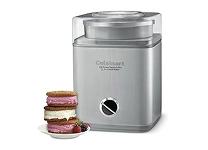
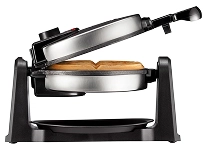
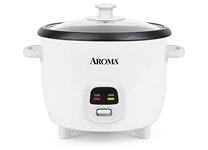
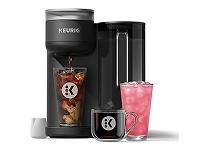
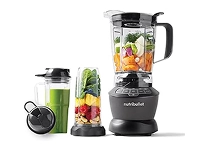
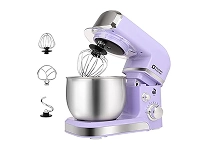
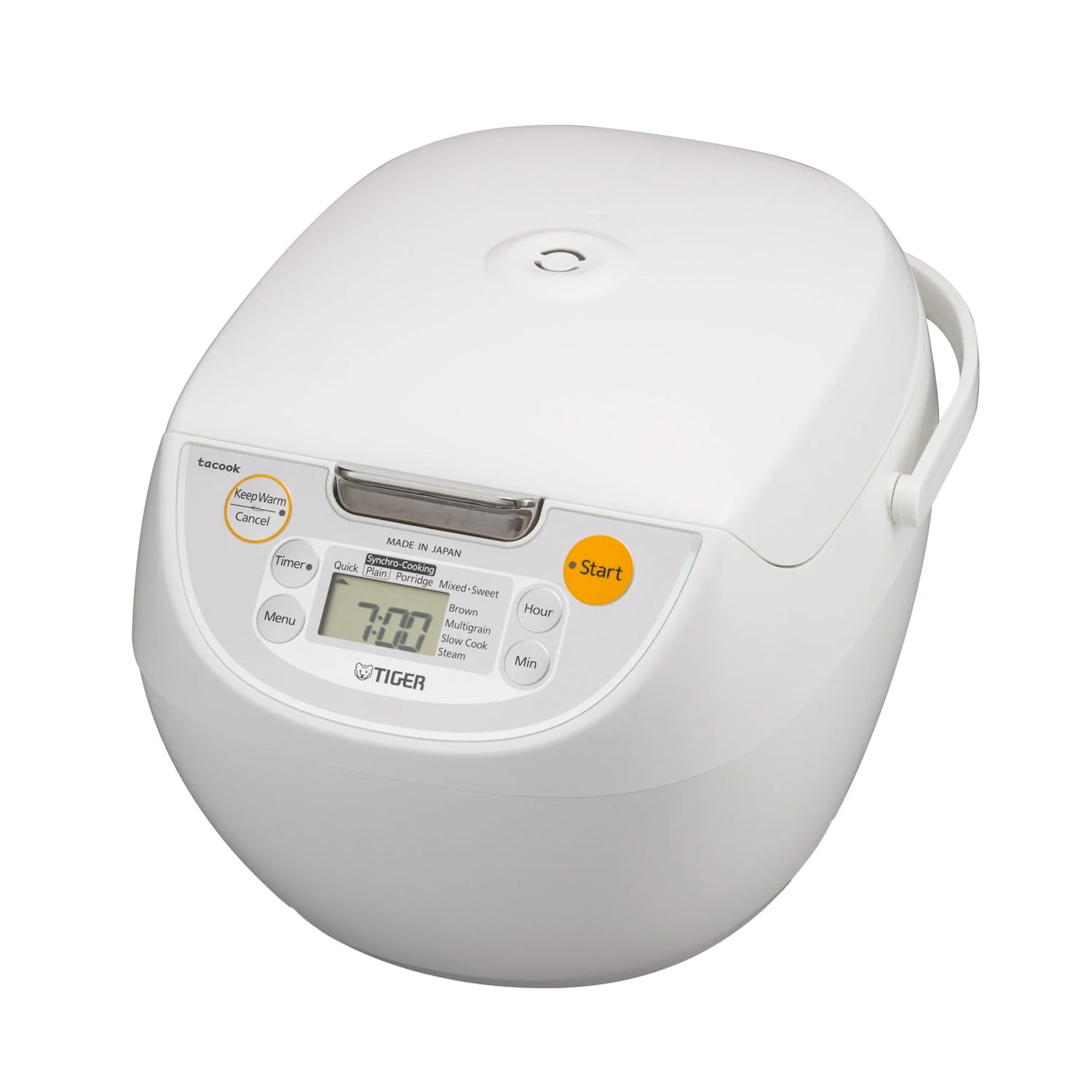
Small kitchen appliances support everyday preparation, cooking, and serving without the footprint of full-size equipment. Popular options include blenders for smoothies and sauces, food processors for chopping and mixing, stand and hand mixers for baking, and electric kettles for heating water. Toasters and toaster ovens handle quick breakfasts, while air fryers, multicookers, rice cookers, and slow cookers offer convenient ways to prepare meals. Coffee makers, espresso machines, and grinders serve different brewing preferences. Specialty choices such as waffle makers, sandwich presses, juicers, and electric milk frothers can add versatility for particular routines. When comparing categories, consider which tasks you perform most often, how many people you typically serve, and whether an appliance can replace several manual steps. Matching the appliance type to your actual kitchen habits helps avoid unnecessary features and storage demands.
- Preparation, cooking, and beverage appliances
- Options for everyday and specialty tasks
- Choose by routine, portions, and available space
Compare Performance, Settings, and Controls
Performance depends on more than a motor's stated power or an appliance's maximum capacity. For blenders and food processors, look at speed settings, pulse control, blade design, and how well the bowl or pitcher suits your typical batches. Mixers may offer multiple speeds and attachments for kneading, whisking, or beating. Air fryers and multicookers can include preset programs, adjustable temperature, timers, and keep-warm functions; check that their controls are straightforward for the meals you plan to make. Coffee equipment varies by brewing method, programmable settings, and grinder adjustment. Noise, countertop stability, and the effort needed to load ingredients also affect daily usability. Brands such as Ninja, Breville, and KitchenAid offer products across several appliance types, but features differ by model. Compare specifications with your intended use rather than relying on brand or headline power alone.
- Compare settings and capacity with intended tasks
- Check control layout and everyday usability
- Evaluate model-specific features across brands
Check Capacity, Materials, and Kitchen Fit
Capacity influences both convenience and storage: a compact blender may suit single servings, while a larger food processor or multicooker can be more practical for batch preparation. Check dimensions, cord length, lid clearance, and the room needed to open or remove bowls and baskets. Consider where the appliance will sit and whether its weight makes regular storage realistic. Food-contact components may include glass, stainless steel, or plastic, while housings and accessories can use different combinations of materials. Each choice has practical trade-offs in weight, visibility, durability, and care, so review the product specifications and cleaning guidance. Look for stable feet, secure lids, accessible controls, and parts that are easy to handle. A coordinated finish may suit your kitchen, but fit and function should lead the decision. Confirm that the appliance's capacity matches your usual portions without taking over valuable counter or cupboard space.
- Measure countertop and storage clearance
- Match capacity to typical portions
- Review materials, handling, and care instructions
Review Accessories, Compatibility, and Safety
Accessories can broaden an appliance's uses, but compatibility is specific to product models. A mixer may include dough hooks, beaters, or a whisk; a food processor may offer slicing discs and different blades; coffee machines may work with particular filters, baskets, or grinders. Check the included items and confirm that replacement or optional parts are designed for the exact model before purchasing. For appliances with removable components, verify how parts attach and whether they are dishwasher-safe or require hand washing. Safety features may include locking lids, automatic shutoff, cool-touch areas, or non-slip bases, depending on the appliance. Read the manufacturer's instructions for operating limits, ventilation, and food handling. Also check the plug and electrical specifications against your kitchen setup before buying. Understanding these details helps prevent mismatched accessories and supports safe, consistent use from the first preparation onward.
- Verify accessories against the exact model
- Check cleaning guidance for removable parts
- Review safety features and electrical specifications
Consider Cleaning, Maintenance, and Value
Regular care can help small kitchen appliances remain practical and ready for use. Unplug equipment before cleaning, follow the manufacturer's instructions, and let heated parts cool where required. Wipe motor bases with a suitable damp cloth rather than immersing them, and clean blades, seals, filters, and removable containers as directed. Mineral buildup may affect kettles and coffee makers, so use the care method specified for the model. For mixers and processors, inspect attachments and seals for wear, and store sharp components safely. Before purchase, compare the maintenance involved with how often you expect to use the appliance. Consider the cost and availability of model-specific accessories or replacement parts as part of overall value, without assuming parts are interchangeable. Ubuy can help shoppers discover international small kitchen appliances and compare product details, features, and included accessories before deciding what fits their needs.
- Follow model-specific cleaning instructions
- Factor upkeep and compatible parts into value
- Compare specifications before choosing
Select the Right small kitchen appliances
Start with the meals and drinks you make most often, then identify the appliance that addresses a real need. If you prepare smoothies daily, compare blender capacity, blade setup, and cleaning effort; for frequent baking, assess mixer bowl size, speed control, and useful attachments. Choose cooking appliances by portion size, cooking functions, and the counter space they require. For coffee, consider brewing style, programmable features, and whether a separate grinder matters to your routine. Check dimensions, materials, electrical details, included accessories, and care requirements together rather than judging by one specification. A simple appliance with useful controls may serve you better than a feature-heavy model you rarely use. Ubuy offers a place to explore international product options and review model information while comparing choices. Make a shortlist based on practical needs, confirm compatibility, and select the appliance you can comfortably use, clean, and store.
- Prioritize frequent tasks and realistic portions
- Balance features, fit, and maintenance
- Confirm specifications before purchase