Explore Outdoor Power Lawn Equipment for Every Yard
Outdoor power lawn equipment covers powered tools used to cut grass, shape edges, clear leaves, trim shrubs, and maintain outdoor spaces. The category includes walk-behind and riding lawn mowers, string trimmers, lawn edgers, hedge trimmers, leaf blowers, chainsaws, and multi-tool systems. Choosing equipment begins with the size and layout of the area, the type of vegetation, and how often maintenance is needed. A compact yard with narrow paths may call for lightweight, maneuverable tools, while larger lawns can benefit from wider mower decks or riding models. Slopes, obstacles, storage space, and noise preferences also influence the right setup. Compare product specifications and included accessories to understand what each tool can handle. Ubuy offers a way to discover outdoor power equipment from international product selections.
- Tools for mowing, trimming, edging, and clearing
- Options for small yards and expansive properties
- Compare power source, size, and intended use
Compare Cordless, Electric, and Gas-Powered Tools
Power source affects runtime, upkeep, operating noise, and the tasks a tool can manage. Cordless battery-powered equipment offers freedom from extension cords and may share batteries across compatible tools within a platform; check voltage, amp-hour capacity, charging time, and whether a battery and charger are included. Corded electric models provide continuous power while connected, making cord reach and outdoor-rated extension equipment important considerations. Gas-powered mowers, trimmers, and blowers suit users who prioritize refueling and longer work sessions, but require attention to fuel, engine care, and routine maintenance. Some lawn equipment uses four-stroke engines, while smaller tools may use two-stroke engines requiring a fuel-and-oil mixture. Brands such as EGO, Greenworks, STIHL, and Husqvarna offer different tool families. Ubuy can help shoppers explore international options and compare power systems before selecting a compatible setup.
- Check battery platform and included components
- Match power source to runtime and yard needs
- Consider engine care, noise, and cord reach
Choose a Lawn Mower for Grass Type and Terrain
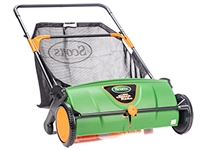
Mower selection depends on lawn area, terrain, grass conditions, and desired finish. Push mowers are straightforward for smaller, accessible lawns; self-propelled models assist movement across larger areas or inclines. Riding mowers and lawn tractors reduce walking for extensive grounds, while zero-turn models are designed for maneuvering around obstacles. Compare cutting width, deck material, height-adjustment settings, bagging capacity, and whether the mower supports mulching or side discharge. A wider deck can cover more ground per pass but may be less convenient in tight spaces. Features such as electric start, adjustable speed, and washout ports can affect everyday usability. Consider replacement blades, grass bags, and maintenance access, along with the machine's dimensions and storage requirements. Honda, Husqvarna, and EGO are familiar names shoppers may encounter when comparing mower types and features.
- Match deck width to lawn size and access
- Compare mulching, bagging, and discharge options
- Check terrain suitability and storage dimensions
Find Trimmers, Edgers, Blowers, and Multi-Tools
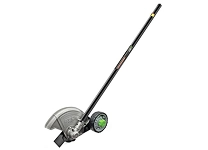
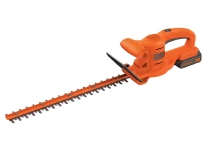
Finishing tools help maintain areas a mower cannot reach and keep outdoor spaces tidy. String trimmers cut grass around trees, fences, and garden edges; compare cutting swath, shaft design, line-feed system, and whether the tool accepts a blade attachment for tougher growth. Dedicated edgers create a defined border beside paths and beds, with adjustable depth helping control the cut. Hedge trimmers are available with different blade lengths and tooth spacing, so match the design to shrub size and branch thickness. Leaf blowers are commonly compared by air speed, airflow volume, weight, and nozzle design rather than a single performance figure. Multi-tool powerheads can accept compatible attachments such as a trimmer, pole saw, or hedge cutter, reducing the need for separate motors. Confirm attachment fit, battery platform, and included accessories before buying.
- Compare cutting width, blade length, and airflow
- Check attachment and battery compatibility
- Consider tool weight, balance, and reach
Understand Safety, Accessories, and Routine Maintenance
Protective equipment and consistent care help support safer, more dependable use of lawn tools. Depending on the task, useful gear can include safety glasses, hearing protection, gloves, sturdy footwear, and chainsaw chaps. Read the tool's instructions before operation, keep bystanders clear, and use guards and handles as designed. Common accessories include mower blades, trimmer line, shoulder straps, replacement batteries, chargers, collection bags, and extension poles; verify the part number or compatibility details for the specific model. Maintenance varies by power source and product: battery tools need appropriate charging and clean contacts, while gas equipment may need air-filter, spark-plug, fuel-system, and oil attention. Keep cutting components clean and sharp, inspect cords and housings, and store equipment in a dry, secure place. Ubuy provides a platform for discovering international accessories and equipment; check product specifications to ensure a suitable match.
- Use task-appropriate protective equipment
- Verify accessory and replacement-part compatibility
- Follow product-specific cleaning and storage guidance
Select the Right outdoor power lawn equipment
Build a practical equipment setup by listing the jobs you need to complete, then prioritizing tools around lawn size, vegetation, terrain, and available storage. For occasional upkeep, a mower paired with a trimmer may cover essential needs; extensive landscaping can call for dedicated hedge, edging, or clearing tools. Compare total kit contents, including batteries, chargers, cutting attachments, and collection bags, rather than assuming these are included. Review dimensions, weight, handle adjustments, control layout, and stated operating specifications to assess comfort and usability. For cordless systems, consider whether compatible tools can share batteries, while gas models call for a plan for fuel and engine maintenance. Check replacement-part availability and the manufacturer's care instructions for the exact model. Make a shortlist by matching features to real tasks, then select the equipment that fits your routine without paying for functions you are unlikely to use.
- Start with specific yard-care tasks
- Compare complete kits and ongoing upkeep
- Choose features that fit your routine