Industrial Adhesive Types and Applications
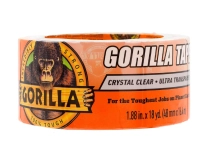
Industrial adhesives are engineered bonding materials used to join components across manufacturing, construction, packaging, electronics, automotive, and repair. Product choice starts with the bond task: structural assembly, flexible sealing, rapid fixturing, or temporary positioning. Common families include epoxy adhesives for rigid, high-strength joints; polyurethane for resilient bonds and gap filling; acrylic and methyl methacrylate systems for fast structural assembly; cyanoacrylate for small, close-fitting parts; silicone for flexible, heat-resistant sealing; and hot-melt adhesives for packaging and production lines. Pressure-sensitive adhesive tapes support clean, quick attachment. Product formats range from liquids and pastes to films, cartridges, two-part kits, and rolls of tape. Consider the substrate, joint design, service environment, and production rate before comparing formulations. Ubuy can help shoppers discover international industrial adhesive products alongside relevant formats and use-case options.
- Compare adhesive chemistry with the bonding task
- Choose from liquids, pastes, films, kits, and tapes
- Consider the production process and service environment
Match Adhesive Chemistry to Materials
A reliable bond depends on how the adhesive interacts with each surface. Metals, glass, ceramics, wood, and many rigid plastics can suit different epoxy, acrylic, or polyurethane formulations, while flexible plastics and elastomers may need specialized products. Low-surface-energy materials, including some polyethylene and polypropylene, can be difficult to bond without a compatible adhesive or surface treatment. Check the product's technical data for approved substrates, surface preparation, and any primer requirements rather than assuming that one formula works on every material. Porous surfaces may absorb liquid adhesive, whereas smooth or oily surfaces can limit contact. Cleaning, abrasion, and drying procedures should follow the manufacturer's instructions. For mixed-material assemblies, assess both substrates and their differing expansion or flexibility. Representative sample testing can help confirm adhesion and suitability before a process is scaled.
- Check compatibility with every bonded substrate
- Review primer and surface-preparation requirements
- Test mixed-material joints before production
Compare Bond Strength, Flexibility, and Resistance
Performance specifications help narrow options beyond adhesive type. Tensile, shear, peel, and impact strength describe different stresses, so match test information to how a finished joint will be loaded. A rigid epoxy may suit a stable assembly, while a flexible polyurethane or silicone can accommodate movement and vibration in the intended application. Also check operating temperature, moisture exposure, chemicals, UV light, and outdoor conditions against the product's stated limits. Open time indicates how long parts can be positioned; fixture time describes when a bond can resist handling; full cure indicates when specified properties are reached. Some products cure through moisture or heat, while two-part systems react after resin and hardener are mixed. Brands such as 3M, Henkel, Sika, and Loctite offer adhesive lines with differing formulations; compare individual product data rather than relying on brand alone.
- Match strength measurements to joint stresses
- Check temperature and environmental resistance
- Distinguish open, fixture, and full cure times
Application Methods, Curing, and Production Needs
Application equipment and process requirements affect consistency, waste, and throughput. Small repairs may use a squeeze bottle or hand-applied paste, while repeat assembly can call for a cartridge gun, static mixing nozzle, metered dispensing system, or automated applicator. Two-part adhesives need the correct mix ratio and thorough mixing; static mixers can help combine components during dispensing when specified for the product. Film adhesives and tapes can offer controlled placement in suitable manufacturing workflows. Review working life, bead size, clamping needs, and cure conditions before selecting a format. Heat-activated or light-curing products require compatible equipment and access to the joint; moisture-cure formulas may need time and appropriate exposure. Ubuy is a place to discover international adhesive formats and application accessories, while product instructions remain essential for confirming process fit and safe handling.
- Select dispensing equipment for the pack format
- Confirm mix ratio and working life
- Plan curing conditions and clamping needs
Packaging, Safety, and Storage Considerations
Packaging should suit both consumption rate and dispensing setup. Bottles and small tubes can be practical for occasional repairs; cartridges, pails, drums, and bulk packs may fit higher-volume processes when compatible equipment is available. Check shelf life, storage temperature, component separation, and resealing instructions, especially for moisture-sensitive products and two-part kits. Safety information matters during storage and use: consult the product label and safety data sheet for ventilation, protective equipment, first aid, and disposal guidance. Keep containers identified and follow handling instructions for uncured material and cleaning agents. For routine maintenance, inspect dispensing nozzles, replace clogged mixing tips as directed, and clean equipment using only recommended methods. Comparing pack size, cure profile, and handling requirements can help users assess practical fit. Ubuy can support discovery of international products, but specifications and instructions should guide selection.
- Choose pack size for actual usage and equipment
- Review storage life and handling instructions
- Consult safety data before application
Select the Right industrial adhesives
Start by defining the substrates, joint geometry, expected loads, and operating conditions. Then shortlist adhesive chemistries that suit those materials and the required mix of strength, flexibility, gap filling, and environmental resistance. Compare technical data for application temperature, working time, fixture time, full cure, and relevant strength tests. Consider whether surface preparation, primer, clamping, or specialized dispensing equipment will be needed, and confirm that the package size fits the task. For production use, evaluate process repeatability and curing requirements; for maintenance or repair, prioritize clear instructions and a manageable working time. Review safety and storage details before purchase, and test a representative sample when compatibility or performance is uncertain. A careful comparison of product specifications, format, accessories, and intended use can make it easier to choose an industrial adhesive suited to the job.
- Define materials, loads, and conditions first
- Compare technical data and application requirements
- Confirm format, accessories, and safety guidance