Candle Making Supplies for Every Project
Candle making supplies bring together the materials and tools needed to create candles for home décor, gifting, seasonal displays, or small-batch production. A starter setup may include wax, wicks, fragrance oil, dye, a pouring pitcher, a thermometer, and heat-safe vessels; experienced makers may add silicone molds, wick-centering tools, scales, and testing equipment. Shop by project style: container candles sit in jars or tins, while pillar and taper candles are shaped in molds. Tealights and wax melts offer compact formats for different spaces. Consider how the candle will be used, the finish you want, and whether you need individual components or a coordinated kit. Ubuy helps shoppers discover international candle-making products and compare supplies across styles. Understanding each item's role makes it easier to plan a safe, consistent batch.
- Shop supplies for container, pillar, taper, and tealight candles
- Choose a starter kit or build a custom set of components
- Plan materials around the candle style and intended use
Choose Candle Wax by Type and Finish
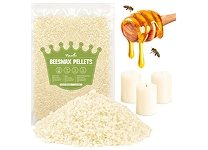
Wax affects a candle's appearance, scent performance, burn characteristics, and suitability for a container or mold. Soy wax is a popular plant-based choice for many container candles, while paraffin is valued for its smooth finish and ability to hold color and fragrance. Beeswax has a naturally warm tone and subtle honey scent; coconut and blended waxes are also used to achieve particular textures or performance goals. Check the product guidance for the intended candle type, recommended pouring temperature, and fragrance-load limits. Container wax and pillar wax are formulated for different needs, so they are not always interchangeable. Consider the surface finish you prefer, the mold or vessel dimensions, and the maker's experience level. Following the wax supplier's instructions supports more consistent results from one batch to the next.
- Compare soy, paraffin, beeswax, and blended waxes
- Match wax formulation to containers or molds
- Follow temperature and fragrance-load recommendations
Match Wicks, Fragrance Oils, and Colorants
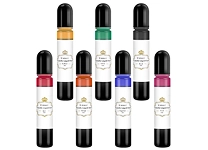
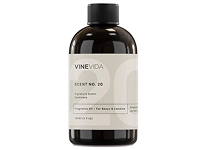
A suitable wick helps a candle burn as intended, but the right choice depends on wax type, vessel diameter, fragrance, and other ingredients. Cotton wicks are widely used, while wooden wicks offer a distinct look and sound; both come in sizes and styles that require testing. Fragrance oils made for candle use provide scent options, and essential oils may have different performance characteristics, so check product guidance before adding them. Candle dye is available as liquid, chips, or blocks; choose a format compatible with the wax and desired shade. Brands such as CandleScience and Makesy are associated with candle-making materials, though each product's specifications should guide selection. Test wick size, scent level, and color in the finished vessel rather than relying on a single ingredient choice. Keep batch notes to help reproduce successful combinations.
- Select wick type and size for the wax and vessel
- Use fragrance and colorants intended for candle applications
- Test finished combinations and record batch details
Containers, Molds, and Essential Tools
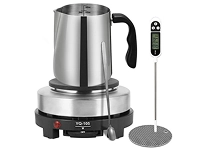
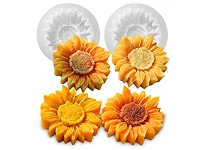
The vessel or mold shapes a candle and influences the materials and equipment needed to make it. Glass jars, metal tins, and ceramic containers are common options for container candles, while flexible silicone molds suit many sculptural, pillar, and novelty designs. Use containers intended to tolerate candle-making and burning conditions, and check their dimensions when selecting a wick. Core tools include a dedicated melting or pouring pitcher, a reliable thermometer, a digital scale, and a heat source suited to the chosen wax. Wick stickers, tabs, holders, and centering bars help position wicks during pouring. A double-boiler setup can provide controlled indirect heating. Protective work surfaces and easy-to-clean utensils help keep the workspace organized. Before buying a kit, check which tools and consumables are included so you can identify any additional items needed for your planned projects.
- Compare jars, tins, ceramic vessels, and silicone molds
- Use measuring and pouring tools suited to your process
- Check kit contents and vessel dimensions before purchase
Work Safely, Test, and Maintain Your Candles
Good candle-making practice starts with following the instructions supplied for wax, fragrance, dyes, and equipment. Heat wax carefully, monitor temperature, and avoid leaving a heating setup unattended. Keep the work area clear, use appropriate protection when handling hot materials, and store ingredients as directed. Before sharing or using a finished candle, test it in its intended vessel: observe the flame, melt pool, scent, and overall burn, and adjust the wick or formula if needed. Trimming the wick before use and keeping the candle away from drafts and flammable objects are important care habits. Allow candles to cool and cure according to the wax and fragrance guidance. Clean tools after they are safe to handle, and label batches with ingredient details. These steps support more repeatable projects and help makers identify issues early.
- Follow ingredient instructions and use careful heat practices
- Test candles in their intended vessels before regular use
- Trim wicks and follow sensible candle-care habits
Select the Right candle making supplies
Begin with the candle style you want to make, then choose compatible wax, vessel or mold, wick, and fragrance. For a first project, a focused kit can simplify sourcing; for more control, buying components separately lets you compare wax formats, wick materials, scent options, and colorants. Check package details for intended applications, measurements, temperature guidance, and any recommended tools. If you are making container candles, consider vessel diameter and heat suitability; for molded candles, verify that the wax is formulated to release and hold its shape. Think about storage space, batch size, cleanup, and whether replacement consumables are easy to identify. Ubuy offers a place to discover international candle-making products, helping shoppers explore different tools and materials in one category. Compare product specifications carefully, and select supplies that suit your design, workflow, and experience.
- Start with your candle format and match compatible components
- Compare specifications, kit contents, and tool requirements
- Choose supplies that fit your workflow and project scale